
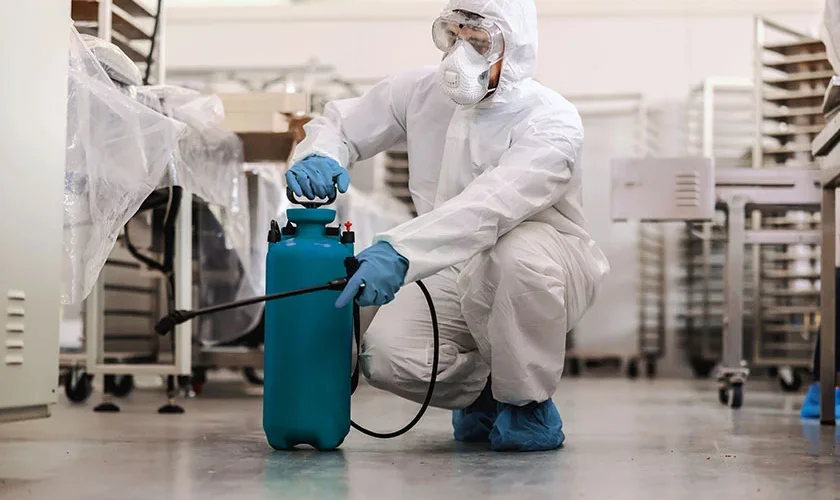
Pests can quickly become more than just an inconvenience. They can damage property, contaminate food, spread harmful bacteria, and create an uncomfortable environment for families, employees, and customers. While basic preventive measures such as cleaning and sealing entry points are helpful, some infestations require a more comprehensive approach. Professional pest management provides long-term solutions that focus on prevention, monitoring, and effective treatment.
Whether you own a residential property or manage a commercial facility, maintaining a pest-free environment protects both your investment and the people who use the space every day.
Why Pest Problems Should Not Be Ignored
Many pests reproduce rapidly, allowing a small problem to grow into a large infestation within a short period. Delaying action often results in higher repair costs and greater disruption.
Common risks associated with pest infestations include:
- Damage to wooden structures
- Contaminated food supplies
- Chewed electrical wiring
- Damaged insulation
- Health concerns from bacteria and allergens
- Unpleasant odors
- Reduced indoor comfort
Addressing pest activity early helps prevent these issues from becoming more serious.
Accurate Identification of Pests
Different pests require different treatment methods. Correct identification is an essential first step in solving any infestation.
Common household and commercial pests include:
- Ants
- Cockroaches
- Rodents
- Termites
- Mosquitoes
- Flies
- Wasps
- Silverfish
Understanding which pest is present allows the most appropriate control strategy to be used.
Thorough Property Inspections
A detailed inspection helps locate pest activity that may not be immediately visible.
Areas commonly inspected include:
- Attics
- Basements
- Crawl spaces
- Garages
- Storage rooms
- Roof spaces
- Kitchens
- Utility areas
Hidden infestations can often continue unnoticed unless these locations are carefully examined.
Customized Treatment Plans
Every property is different, and pest issues vary depending on building design, location, and environmental conditions.
A tailored management plan may consider:
- Type of pest
- Level of infestation
- Building size
- Moisture conditions
- Food storage practices
- Seasonal activity
- Potential entry points
Customized solutions are generally more effective than relying on a single treatment approach.
Long-Term Prevention
Successful pest management focuses on preventing future infestations rather than only removing existing pests.
Preventive recommendations often include:
- Sealing cracks and gaps
- Repairing damaged screens
- Fixing plumbing leaks
- Improving waste management
- Organizing storage spaces
- Reducing outdoor shelter areas
- Monitoring high-risk locations
These improvements help reduce the conditions that attract pests.
Protecting Commercial Properties
Businesses often face stricter hygiene requirements and higher expectations from customers.
Regular pest management supports:
- Food safety
- Customer confidence
- Employee well-being
- Regulatory compliance
- Inventory protection
- Business reputation
Industries such as hospitality, healthcare, food processing, retail, and warehousing particularly benefit from ongoing pest prevention programs.
Environmentally Responsible Practices
Modern pest management often emphasizes prevention and targeted treatments rather than excessive chemical use.
Environmentally responsible methods may include:
- Monitoring systems
- Physical barriers
- Habitat modification
- Moisture control
- Sanitation improvements
- Carefully selected treatment products
These strategies help minimize environmental impact while maintaining effective results.
Financial Advantages
Preventing pest infestations is usually more affordable than repairing extensive damage later.
Long-term savings may include:
- Reduced repair costs
- Fewer emergency treatments
- Lower maintenance expenses
- Less product loss
- Better protection of furniture and equipment
- Extended building lifespan
Preventive maintenance is often one of the most cost-effective property investments.
The Importance of Regular Monitoring
Even after an infestation has been resolved, ongoing monitoring remains important because pests can return if favorable conditions develop.
Routine monitoring includes:
- Inspecting entry points
- Checking moisture levels
- Looking for droppings
- Monitoring storage areas
- Examining food preparation spaces
- Reviewing outdoor landscaping
Consistent monitoring helps identify new activity before it becomes widespread.
Building Better Daily Habits
Property owners also play an important role in maintaining a pest-free environment.
Helpful daily practices include:
- Keep kitchens clean.
- Store food in airtight containers.
- Empty trash regularly.
- Repair leaks promptly.
- Reduce clutter.
- Maintain landscaping.
- Inspect the property throughout the year.
Combining these habits with routine inspections creates strong long-term protection.
Conclusion
Maintaining a pest-free property requires more than occasional cleaning or reacting after insects and rodents appear. A proactive approach that includes regular inspections, preventive maintenance, proper sanitation, and ongoing monitoring provides the best long-term results. By addressing potential problems early and reducing the conditions that attract pests, homeowners and businesses can avoid costly repairs and health concerns. Consistent pest control practices help create safer, cleaner, and more comfortable spaces while protecting the value and condition of any property for years to come.

