
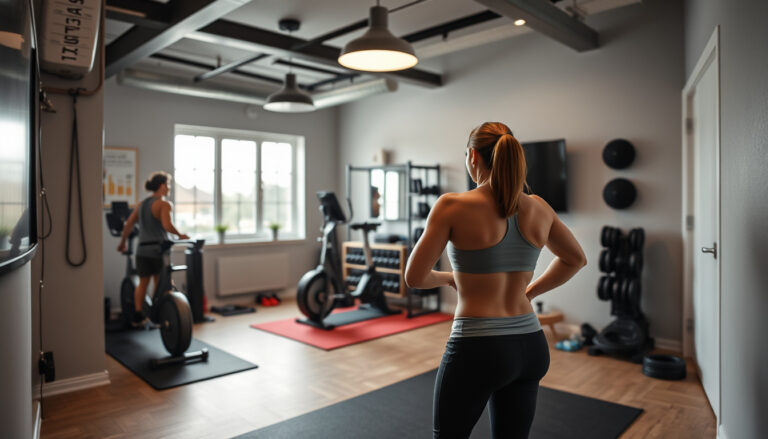
Not everyone has room for a home gym. In Singapore, many people live in apartments, shared homes, or compact spaces where large equipment is not practical. But a person does not need a full home gym to support their fitness goals between training sessions. A small mobility setup can make a meaningful difference.
For someone working with a personal fitness trainer singapore program, home mobility work can support better movement, recovery, posture, and consistency. The gym may be where the main strength sessions happen, but a small home setup can help the body stay prepared between workouts.
Why Mobility Matters Between Sessions
Mobility is the ability to move joints through useful ranges with control. It is not the same as passive flexibility. A person may be able to stretch into a position but struggle to control that position during exercise.
Mobility supports squats, lunges, presses, rows, hinges, and daily movement. For people who sit for long hours, mobility work can reduce the feeling of stiffness and make gym sessions feel smoother.
A few minutes at home can help maintain progress made during coached sessions.
You Do Not Need Much Space
A mobility setup can fit in a bedroom corner, living room space, or beside a desk. The space only needs enough room for a mat and basic movement. This makes it realistic for HDB flats, condos, and shared apartments.
The goal is not to recreate a gym at home. The goal is to create a small habit zone that makes mobility easy to start.
If the setup is simple, it is more likely to be used.
The Basic Tools
A small-space mobility setup may include a mat, resistance band, foam roller, massage ball, and a yoga block or cushion. That is enough for most people. These tools are easy to store and do not require heavy equipment.
The mat defines the space. The band supports activation and mobility. The foam roller and ball help with soft tissue awareness. The block or cushion makes some positions more comfortable.
The tools should stay visible or easy to access. If they are buried in a cupboard, they will be forgotten.
Hip Mobility for Desk Workers
Desk work often leaves the hips feeling tight. Sitting keeps the hips flexed for long periods. This can affect squats, lunges, hip hinges, and even posture.
Simple hip mobility work can include lunging hip flexor stretches, seated hip rotations, glute stretches, and controlled deep squat holds if comfortable.
The goal is not to force extreme range. It is to restore comfortable movement.
A trainer can suggest the right drills based on the person’s needs.
Shoulder Mobility for Better Upper-Body Training
Shoulder mobility matters for pressing, pulling, posture, and daily comfort. People who spend long hours at laptops may struggle with overhead movement or upper-back stiffness.
A resistance band can help with shoulder work. Band pull-aparts, light external rotations, and wall slides can be useful when done with control.
Shoulder mobility should feel smooth, not painful. If a movement causes sharp discomfort, it should be stopped and assessed.
Ankle Mobility Supports Lower-Body Strength
Limited ankle mobility can affect squats, lunges, and balance. People may compensate by lifting the heels, collapsing the knees, or leaning too far forward.
Ankle mobility work can be done in a small space. A simple knee-to-wall drill can help assess and improve control. Calf stretching and slow ankle circles may also help.
Small improvements in ankle movement can make lower-body training feel more stable.
Core Control Can Be Trained at Home
Mobility without control is incomplete. Core exercises can help the body stabilize during movement. A mat is enough for exercises such as dead bugs, bird dogs, side planks, and breathing drills.
These movements do not require much space, but they support bigger gym exercises.
A person who improves core control at home may notice better strength training technique in the gym.
A Ten-Minute Mobility Routine
A short routine is better than a perfect routine that never happens. Ten minutes can be enough.
A simple structure could include a short breathing drill, hip mobility, shoulder mobility, ankle work, and one core exercise. The exact drills should match the person’s training goals.
This kind of routine can be done before bed, after work, or on rest days.
Mobility Should Support the Main Program
Home mobility work should not be random. It should connect to the person’s training plan. If the goal is better squats, hip and ankle mobility may matter most. If the goal is better posture, upper-back and shoulder work may be more relevant. If the goal is pain-free movement, professional guidance may be needed.
A trainer can help choose the right drills so the home routine supports gym progress.
Avoid Turning Mobility Into a Chore
Mobility should feel useful, not overwhelming. People often quit when they try to do too much. A short routine done consistently works better than a long routine done once.
The setup should be inviting. A mat, calm lighting, and easy access to tools can make the habit feel less like work.
When Mobility Needs More Than Home Drills
If someone has pain, numbness, recurring discomfort, or a serious movement limitation, home mobility drills may not be enough. A qualified healthcare professional may be needed.
Mobility work should never be used to ignore pain. It should support better movement.
Small Spaces Can Still Support Big Goals
A person does not need a large home gym to support fitness. A small mobility corner can help improve consistency between sessions. It can make the body feel less stiff, improve warmups, and keep the person connected to their goals.
For those combining home mobility with structured gym training, True Fitness Singapore may be relevant when looking for an indoor fitness environment that supports strength work, coaching, and practical movement routines.
FAQ
Can mobility work be done in a small apartment?
Yes. Most mobility drills need only enough room for a mat. Bands, foam rollers, and massage balls are easy to store.
How often should mobility work be done?
Many people benefit from short mobility sessions several times per week. Even 10 minutes can help build consistency.
Is mobility the same as stretching?
No. Stretching focuses on lengthening muscles, while mobility includes control through a useful range of motion.
Should mobility work be done before or after training?
Both can work. Dynamic mobility is useful before training, while gentle mobility or stretching may be helpful after training or on rest days.

