
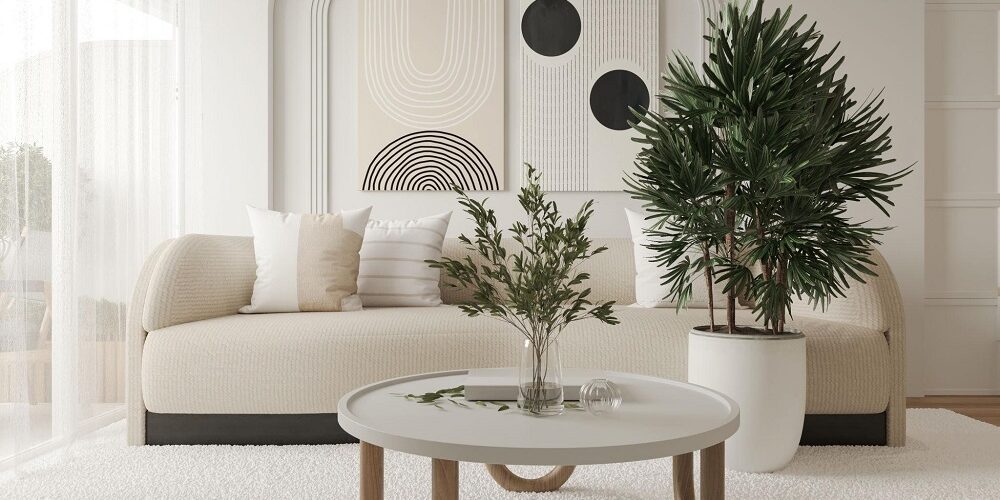
Home decor plays a vital role in shaping how a living space feels and functions. A thoughtfully decorated home enhances comfort, reflects personality, and improves everyday living experiences. Whether redesigning a single room or refreshing an entire house, the right approach to decor can transform any space into a welcoming environment.
This guide explains practical strategies, design ideas, and essential elements that help create a balanced and visually appealing home.
Understanding the Basics of Home Decor
Before choosing furniture or accessories, it is important to understand the core elements that influence interior styling. These elements create harmony and ensure the space looks intentional rather than cluttered.
Key foundational components include:
- Color palette
- Lighting
- Furniture arrangement
- Textures and materials
- Decor accents
- Wall treatments
A successful home decor plan balances these components to achieve both function and aesthetics.
Choosing the Right Color Scheme
Color strongly influences mood and perception of space. Selecting the right palette helps create a cohesive environment throughout the home.
Popular color strategies include:
Neutral tones
Neutral shades like beige, white, cream, and gray provide flexibility and timeless appeal. They make rooms appear larger and brighter.
Earth-inspired shades
Terracotta, olive green, and warm browns bring natural warmth and comfort into interiors.
Accent colors
Adding bold tones through cushions, rugs, or artwork introduces personality without overwhelming the room.
To maintain balance, follow the 60-30-10 rule:
- 60 percent dominant color
- 30 percent secondary color
- 10 percent accent color
This approach keeps interiors visually structured.
Selecting Functional and Stylish Furniture
Furniture defines both usability and visual structure in a room. The key is choosing pieces that combine comfort with proportion.
Consider these important guidelines:
- Measure the space before purchasing furniture
- Avoid overcrowding small rooms
- Choose multi functional furniture for compact homes
- Maintain consistent style across rooms
- Prioritize comfort over decorative appeal
For example, a storage ottoman can function as seating, storage, and a design element simultaneously.
Enhancing Interiors with Lighting
Lighting shapes atmosphere and highlights decor features. A well lit space appears inviting and spacious.
There are three essential lighting layers:
Ambient lighting
Provides overall illumination and sets the primary mood of the room.
Task lighting
Supports specific activities such as reading or cooking.
Accent lighting
Highlights artwork, plants, or architectural details.
Combining all three types creates depth and enhances functionality.
Adding Personality Through Textures and Fabrics
Textures bring visual richness and tactile comfort to interiors. Even neutral spaces feel interesting when layered with different materials.
Effective texture combinations include:
- Cotton cushions with wooden furniture
- Wool rugs paired with metal fixtures
- Linen curtains with ceramic decor accents
- Velvet upholstery for a luxurious touch
Mixing textures creates contrast without relying heavily on bold colors.
Decorating Walls Creatively
Walls offer valuable opportunities to express creativity and style. Instead of leaving them empty, consider thoughtful decoration options.
Popular wall decor ideas include:
Gallery walls
A collection of framed photographs or artwork adds storytelling elements to the room.
Floating shelves
These combine storage with decoration and help display books, plants, or souvenirs.
Statement artwork
A single large artwork can serve as a focal point in the space.
Textured wall panels
Wood or fabric panels introduce depth and sophistication.
Choosing one strong feature wall often works better than decorating every surface.
Incorporating Indoor Plants for Natural Appeal
Indoor plants enhance air quality and introduce freshness into interiors. They also soften hard architectural lines and improve emotional comfort.
Suitable plant choices include:
- Snake plant
- Areca palm
- Money plant
- Peace lily
- Rubber plant
Position plants near windows or corners to balance the layout naturally.
Using Decorative Accessories Wisely
Accessories complete a room and bring personality into the design. However, excessive decoration can reduce visual clarity.
Essential decorative additions include:
- Cushions
- Rugs
- Mirrors
- Candles
- Table decor pieces
- Books and trays
Mirrors are especially effective in smaller spaces because they reflect light and create an illusion of depth.
Creating a Balanced Layout in Every Room
Layout planning determines how comfortable and functional a space feels. Even expensive decor cannot compensate for poor arrangement.
To maintain visual balance:
- Keep walking pathways clear
- Align furniture with focal points
- Maintain symmetry where possible
- Avoid placing all furniture against walls
- Use rugs to define seating zones
A thoughtful layout improves both movement and appearance.
Budget Friendly Home Decor Tips
Decorating does not always require large investments. Small improvements can create noticeable transformations.
Practical cost effective ideas include:
- Rearranging existing furniture
- Updating cushion covers
- Changing curtain fabrics
- Adding indoor plants
- Installing warm lighting
- Using wall art prints instead of expensive paintings
Simple updates often deliver impressive results when applied consistently.
Seasonal Home Decor Refresh Ideas
Refreshing decor according to seasons keeps interiors lively throughout the year.
Examples include:
Summer decor
Use lighter fabrics and airy colors such as white and pastel shades.
Winter decor
Introduce warm textures like wool throws and deeper tones.
Festive decor
Add decorative lights, candles, and themed accessories to enhance celebration atmosphere.
Seasonal updates maintain freshness without requiring major redesign.
Maintaining Consistency Across the Home
Consistency ensures each room feels connected rather than isolated in style. A unified approach strengthens the visual identity of the entire house.
Ways to maintain continuity include:
- Repeating accent colors across rooms
- Using similar materials throughout the home
- Keeping furniture styles compatible
- Matching lighting finishes
A cohesive theme creates a polished and intentional appearance.
FAQ Section
What is the first step in planning home decor
Start by evaluating available space, identifying functional needs, and selecting a consistent color palette before purchasing furniture or accessories.
How often should home decor be updated
Minor updates can be done seasonally while major changes are typically recommended every two to three years depending on lifestyle needs.
Which decor style works best for small homes
Minimalist and contemporary styles work well because they emphasize clean layouts and reduce visual clutter.
Can mixing decor styles work effectively
Yes when done carefully. Combining two complementary styles such as modern and rustic can create a unique and balanced interior.
How important is lighting in home decor planning
Lighting plays a central role because it affects mood, highlights design features, and improves functionality in every room.
What are the easiest ways to refresh a room quickly
Updating cushions, rearranging furniture, adding plants, and changing lighting fixtures can refresh a room without major renovation.
How can renters decorate without permanent changes
Use removable wall art, temporary wallpaper, freestanding shelves, rugs, and decorative lighting to personalize spaces without structural modifications.

