
Introduction
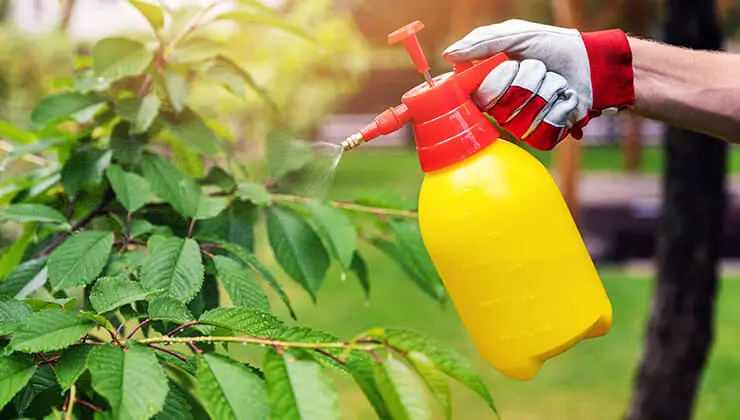
Maintaining a thriving home garden without relying on synthetic chemicals is both achievable and beneficial. Organic pest control focuses on restoring balance in the garden ecosystem rather than eliminating every insect. By encouraging biodiversity, improving soil health, and using natural deterrents, gardeners can protect plants while preserving pollinators and beneficial organisms.
This guide explains practical, safe, and effective organic pest control solutions suitable for vegetables, fruits, herbs, and ornamental plants in home gardens.
Wild animals often enter homes in search of food, warmth, or shelter, creating challenges for property owners. Their wildlife control team covers Toronto and provides humane wildlife removal solutions designed to safely remove animals while protecting both residents and local wildlife. Preventative measures also help reduce future encounters.
Why Choose Organic Pest Control Methods
Organic pest control offers long-term sustainability and supports healthier plants and soil.
Key advantages include
- Protects beneficial insects like bees and ladybugs
- Prevents chemical buildup in soil and crops
- Safe for children and pets
- Improves soil fertility naturally
- Supports ecological balance in the garden
Unlike synthetic pesticides that often kill both harmful and beneficial insects, natural approaches encourage resilience within the garden environment.
Identify Pests Before Taking Action
Correct pest identification is essential before applying any treatment. Many insects found in gardens are harmless or beneficial.
Common garden pests include
- Aphids
- Whiteflies
- Caterpillars
- Spider mites
- Leaf miners
- Slugs and snails
Observe leaf damage patterns, insect clusters, and plant stress symptoms to determine the exact cause before choosing a solution.
Encourage Beneficial Insects Naturally
Beneficial insects help regulate pest populations effectively without chemical intervention.
Helpful insects to attract
- Ladybugs eat aphids and mites
- Lacewings control soft-bodied pests
- Hoverflies reduce aphid infestations
- Parasitic wasps target caterpillars
Ways to attract beneficial insects
- Grow flowering plants like marigolds and dill
- Avoid chemical sprays
- Provide shallow water sources
- Maintain plant diversity
A balanced ecosystem reduces pest outbreaks naturally.
Use Neem Oil as a Natural Insecticide
Neem oil is one of the most reliable organic pest control solutions. It disrupts pest feeding and reproduction cycles without harming beneficial insects when applied correctly.
Effective against
- Aphids
- Whiteflies
- Mealybugs
- Spider mites
- Caterpillars
How to apply
- Mix neem oil with water and mild soap
- Spray during early morning or evening
- Cover both sides of leaves
- Repeat every 7 to 10 days if needed
Consistent application ensures better protection.
Prepare Homemade Garlic and Chili Spray
Garlic and chili sprays act as strong natural repellents for chewing and sucking insects.
Simple preparation method
- Blend garlic cloves and chili peppers
- Add water and strain mixture
- Mix with a few drops of liquid soap
- Spray lightly on plant leaves
This solution discourages insects without harming plant growth.
Introduce Companion Planting Techniques
Companion planting helps repel pests naturally by using plant relationships strategically.
Examples of effective combinations
- Marigolds repel nematodes and aphids
- Basil protects tomatoes from flies
- Mint discourages ants and beetles
- Garlic repels caterpillars and mites
This method strengthens plant resistance and reduces pest attraction.
Use Soap Spray for Soft-Bodied Insects
Mild soap spray removes protective coatings from pests, making it effective against common infestations.
Works well against
- Aphids
- Whiteflies
- Spider mites
Preparation steps
- Mix one teaspoon liquid soap in one liter of water
- Spray directly on affected leaves
- Avoid spraying during peak sunlight hours
Always test on a small leaf area before full application.
Apply Diatomaceous Earth Around Plants
Diatomaceous earth is a natural powder made from fossilized algae. It damages insect exoskeletons without harming plants.
Best used against
- Ants
- Slugs
- Beetles
- Cutworms
Apply around plant bases and garden beds after watering dries completely.
Hand Removal for Immediate Control
Manual removal remains one of the simplest and most effective pest control methods.
Practical steps
- Inspect plants daily
- Remove visible insects by hand
- Drop pests into soapy water
- Remove infected leaves early
This method works especially well for caterpillars and beetles.
Maintain Healthy Soil to Prevent Pest Problems
Strong plants resist pests naturally. Healthy soil encourages vigorous root systems and natural defense mechanisms.
Ways to improve soil quality
- Add compost regularly
- Use mulch to retain moisture
- Rotate crops seasonally
- Avoid overwatering plants
Healthy soil reduces pest attraction significantly.
Use Physical Barriers for Protection
Physical barriers prevent pests from reaching plants without chemicals.
Effective barrier options
- Garden nets against insects
- Copper tape for slugs
- Row covers for seedlings
- Sticky traps for flying pests
These preventive tools reduce damage before it begins.
Water Management Helps Reduce Pest Infestations
Improper watering weakens plants and invites pests.
Smart watering practices include
- Water early in the morning
- Avoid wetting leaves excessively
- Maintain consistent moisture levels
- Improve drainage if soil stays soggy
Healthy watering habits strengthen plant resistance.
Rotate Crops Each Season
Crop rotation interrupts pest life cycles and prevents repeated infestations.
Benefits of crop rotation
- Reduces soil-borne pest buildup
- Improves soil fertility
- Minimizes disease spread
- Enhances plant growth performance
Changing planting locations each season protects garden productivity.
FAQ Section
What is the safest organic pest control method for beginners
Hand removal combined with soap spray is one of the safest and easiest starting methods for beginners.
How often should neem oil be applied to garden plants
Neem oil is typically applied every 7 to 10 days depending on infestation severity and weather conditions.
Can organic pest control completely eliminate pests
Organic methods usually manage pest populations rather than eliminate them entirely, which supports ecological balance.
Are organic pest control solutions safe for edible plants
Yes, most natural solutions such as neem oil, soap spray, and garlic mixtures are safe when used correctly.
Which plants naturally repel common garden pests
Marigolds, basil, mint, garlic, rosemary, and lavender are widely known for their pest-repelling properties.
Does mulching help reduce pest problems in gardens
Mulching improves soil health and moisture retention, indirectly helping plants resist pest attacks.
When is the best time to apply natural pest control sprays
Early morning or late evening is ideal because temperatures are lower and beneficial insects are less active.

