
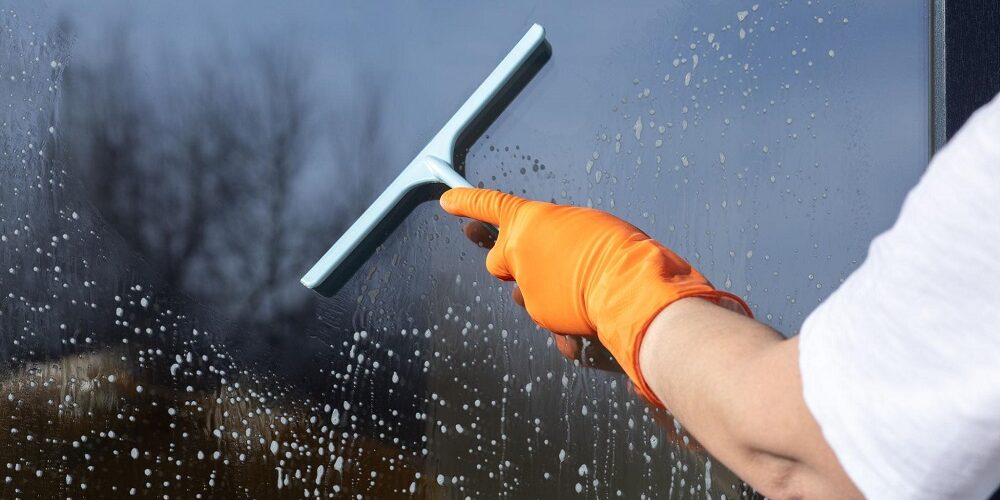
Clean windows improve natural lighting, enhance indoor comfort, and maintain the overall appearance of a home. However, improper cleaning methods often leave visible streaks that reduce clarity and make surfaces look unfinished. Using the right techniques and routines helps achieve consistently clear glass without extra effort.
This guide explains practical window cleaning methods that support streak free results while protecting window surfaces.
Why Windows Develop Streaks After Cleaning
Streaks usually appear when cleaning solutions dry unevenly or when residue remains on the glass surface. Understanding common causes helps prevent repeated cleaning.
Typical reasons include:
- Using too much cleaning solution
- Wiping with unsuitable cloth materials
- Cleaning windows under direct sunlight
- Leaving detergent residue on glass
- Using dirty cleaning tools
Correcting these issues improves cleaning results immediately.
Choose the Right Time for Window Cleaning
Timing plays an important role in achieving streak free results. Cleaning windows during cooler parts of the day prevents cleaning solutions from drying too quickly.
Best conditions for window cleaning include:
- Early morning or late afternoon hours
- Moderate indoor temperatures
- Indirect sunlight conditions
- Low wind exposure for exterior cleaning
Proper timing allows better control over cleaning movements and solution drying.
Use Suitable Cleaning Tools for Better Results
Using appropriate tools helps remove dust and moisture evenly across the surface without leaving marks.
Recommended tools include:
- Microfiber cloths for gentle wiping
- A quality squeegee for removing excess water
- A bucket of warm cleaning solution
- A soft brush for window tracks
These tools help improve efficiency and reduce cleaning time.
Prepare Windows Before Applying Cleaning Solution
Proper preparation removes loose dust that may otherwise spread across the glass during cleaning.
Preparation steps include:
- Removing surface dust using a dry cloth
- Cleaning window frames before glass surfaces
- Checking tracks for debris buildup
- Clearing nearby objects that block access
Preparation improves final cleaning results significantly.
Apply Cleaning Solution Evenly Across the Surface
Even application prevents patchy areas and uneven drying patterns that cause streaks.
Effective application methods include:
- Spraying a moderate amount of solution
- Spreading liquid evenly with a cloth
- Avoiding excessive moisture buildup
- Working from top to bottom sections
Balanced application supports consistent clarity across the entire surface.
Use a Squeegee with Controlled Movements
A squeegee is one of the most reliable tools for achieving streak free windows when used correctly.
Follow these simple techniques:
- Start from the top corner of the window
- Move the squeegee downward in smooth strokes
- Wipe the blade after each pass
- Overlap strokes slightly to avoid lines
Controlled movement removes water efficiently without leaving residue.
Dry Window Edges Carefully to Prevent Marks
Window edges often trap leftover moisture that later creates streak patterns.
Helpful finishing steps include:
- Drying corners using a microfiber cloth
- Checking frame edges for trapped water
- Removing remaining droplets immediately
- Inspecting glass from different angles
Careful edge drying ensures a polished final result.
Clean Window Tracks and Frames Regularly
Window tracks and frames collect dust quickly and can affect overall cleanliness if ignored.
Maintenance routines include:
- Removing dust from tracks weekly
- Cleaning frame surfaces with a soft cloth
- Checking corners for moisture buildup
- Keeping sliding tracks clear for smooth movement
Maintaining these areas improves both hygiene and window performance.
Maintain a Consistent Window Cleaning Routine
Consistency helps prevent heavy dirt accumulation that makes cleaning more difficult later.
Practical routine suggestions include:
- Cleaning interior windows every two weeks
- Inspecting exterior windows monthly
- Checking frames during seasonal cleaning
- Maintaining tools after each use
Regular routines support long lasting streak free results.
Frequently Asked Questions
How often should windows be cleaned for best visibility
Interior windows should be cleaned every two to four weeks depending on dust levels and household activity.
What type of cloth is most effective for window cleaning
Microfiber cloths are effective because they absorb moisture well and reduce streak formation.
Can tap water affect window cleaning results
Yes water with high mineral content can leave marks on glass surfaces after drying.
Is it better to clean windows from top to bottom
Cleaning from top to bottom prevents dirty water from flowing over already cleaned areas.
Do weather conditions affect window cleaning performance
Yes strong sunlight and high temperatures can cause cleaning solutions to dry too quickly and create streaks.
Should window screens be cleaned during regular window maintenance
Cleaning window screens helps improve airflow and prevents dust from transferring back onto glass surfaces.
Why do streaks sometimes appear after the glass dries completely
Streaks may appear if cleaning solution residue or moisture remains on the surface during drying.

