
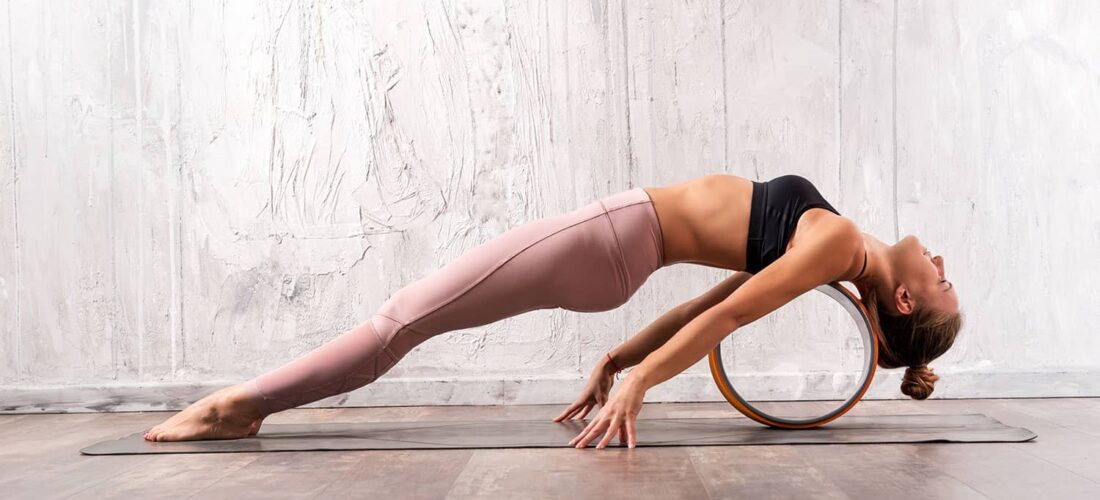
Why Home Mobility Matters in Modern Living
With busy work schedules and long hours spent sitting at desks, many people struggle to maintain physical flexibility and posture alignment. Over time, the body accumulates stiffness in the spine, hips, and shoulders. While joining a yoga studio can help, setting up a dedicated space at home for mobility practice brings consistency and convenience. One of the most versatile tools for such home routines is the yoga wheel.
Compact, affordable, and easy to use, the yoga wheel helps you roll away muscle tension, improve spinal mobility, and build body awareness. With just a few square feet of space, you can create a personal wellness corner that supports daily stretching and long-term flexibility.
How the Yoga Wheel Fits into a Home Setup
Unlike large gym equipment, the yoga wheel is lightweight, portable, and adaptable. It allows users to perform a variety of movements that strengthen the core, open the chest, and lengthen the spine. Whether you are an experienced yoga practitioner or someone looking for posture correction, this prop offers multiple benefits for home practice.
Key advantages include:
-
Takes up minimal space.
-
Supports mobility, recovery, and stress relief.
-
Can be used by all fitness levels.
-
Enhances both strength and relaxation routines.
With proper guidance and awareness, a yoga wheel can become your go-to tool for maintaining an active and balanced lifestyle without leaving home.
Choosing the Perfect Spot for Your Home Mobility Corner
The location of your practice area influences how consistent and effective your routine becomes. A well-designed home yoga space encourages regular movement and relaxation.
Tips for choosing your space:
-
Select a quiet, ventilated area: Natural light and airflow create an inviting environment.
-
Ensure enough wall clearance: Some wheel yoga poses require back support or wall assistance.
-
Use a non-slip floor surface: A yoga mat ensures grip and comfort.
-
Keep distractions minimal: Remove unnecessary furniture, gadgets, or clutter.
-
Add calming elements: Plants, soft lighting, and neutral colours create a soothing ambience.
Even a small 2m x 2m space is sufficient to practise most wheel-based postures safely.
Essential Equipment for Home Wheel Yoga
While the yoga wheel is the centrepiece, a few additional accessories can make your home setup more functional and enjoyable.
Recommended items include:
-
Yoga wheel: Choose a durable wheel with a non-slip surface.
-
Yoga mat: Provides stability and prevents sliding during poses.
-
Blocks or bolsters: Support alignment and comfort in deep stretches.
-
Yoga strap or resistance band: Aids flexibility training and muscle engagement.
-
Mirror (optional): Helps monitor posture and alignment during practice.
Together, these tools create a supportive environment for building strength and flexibility.
Designing a Consistent Wheel-Yoga Routine at Home
Consistency is the secret to long-term results. A structured plan helps integrate mobility training into your daily routine without feeling overwhelming.
Sample Weekly Plan:
-
Monday: 15-minute morning spinal mobility session.
-
Tuesday: 20-minute evening routine for hips and lower back.
-
Wednesday: Active recovery with gentle wheel rolling and breathwork.
-
Thursday: 25-minute strength and balance sequence.
-
Friday: Chest-opening flow for posture alignment.
-
Weekend: Extended 40-minute restorative session focusing on flexibility and deep release.
This schedule allows variety while ensuring the entire body receives balanced movement throughout the week.
Wheel-Yoga Poses Ideal for Home Practice
Here are a few highly effective movements that suit small-space home setups.
1. Wheel-Assisted Backbend
Place the wheel at the base of your spine and slowly lean back, letting it roll along your mid to upper back. This opens the chest and stretches the abdominal fascia.
2. Supported Child’s Pose
Kneel with your arms extended over the wheel. Roll it forward as you lower your chest, lengthening the shoulders and upper spine.
3. Hip Opener Roll
Sit with one ankle over the opposite knee and place the wheel under the supporting thigh. Gently roll to release the glutes and hip rotators.
4. Core Stability Lift
Lie down, place feet on the wheel, and raise your hips into a bridge. Engage your core to maintain balance and strengthen abdominal muscles.
5. Twisting Side Stretch
Hold the wheel with both hands while seated. Rotate gently to each side to release tension in the lower back and obliques.
These poses can be performed daily, with minor adjustments based on your comfort level.
Making Your Practice Engaging and Motivating
Maintaining motivation for home workouts can be challenging. Create small rituals and environmental cues that make practice appealing.
Strategies to stay consistent:
-
Play soft instrumental or ambient music during sessions.
-
Light a candle or use essential oils for relaxation.
-
Schedule your practice at the same time daily for habit formation.
-
Keep the wheel visible in your room as a reminder.
-
Track progress using a simple notebook or app.
When you associate your space with calmness and rejuvenation, your body naturally adapts to regular movement.
Benefits Beyond Flexibility
Practising wheel yoga at home delivers far more than physical results. It also nurtures mental clarity and emotional balance.
Holistic benefits include:
-
Reduced anxiety through mindful movement and deep breathing.
-
Better posture and confidence from improved spinal alignment.
-
Relief from chronic fatigue caused by prolonged sitting.
-
Increased self-discipline and focus through consistent routine.
-
Enhanced sleep quality due to nervous system regulation.
Over time, even a few minutes of daily mobility work can create profound changes in how your body feels and moves.
Adapting the Space for Families or Shared Homes
In multi-person households, finding uninterrupted quiet time may be difficult. You can adapt by scheduling early-morning or late-evening sessions. Alternatively, involve family members to make the practice communal. Children and seniors alike can benefit from basic wheel-supported stretches that improve balance and coordination.
If space is limited, store the wheel vertically beside furniture or hang it on a wall hook when not in use. Its minimal footprint ensures it fits seamlessly into modern homes.
For more structured learning, guided programs from studios like Yoga Edition can help refine your home routine. Experienced instructors can teach correct alignment, safe progression, and mobility sequencing suited to different body types.
Tips for Safe and Effective Home Practice
While wheel yoga is beginner-friendly, maintaining mindfulness is crucial for safety.
Safety reminders:
-
Always warm up before rolling or deep stretching.
-
Move slowly; never force a backbend or twist.
-
Engage your core to protect the lower back.
-
Avoid practice if you experience acute pain or dizziness.
-
Stay hydrated and rest after longer sessions.
By respecting your body’s limits, you ensure steady progress without strain.
Integrating Breathwork and Mindfulness
Breathing and awareness turn physical movements into transformative practice. During each pose, focus on deep, even breathing. Inhale to expand the spine and exhale to release tension. You can also conclude each session with a few minutes of seated meditation or gratitude reflection.
This combination of movement and mindfulness enhances both physical and emotional resilience, promoting long-term wellbeing.
FAQ
Q1. How much space do I need for wheel yoga at home?
A small area of about two square metres is enough. You mainly need space to roll back and forth safely without obstacles.
Q2. How often should I practise at home?
Aim for at least 10–20 minutes a day or four sessions per week. Regularity matters more than duration.
Q3. What if I have limited flexibility?
Start with supported poses and smaller movements. The wheel offers balance and support, making it suitable even for beginners.
Q4. Can wheel yoga replace my gym workouts?
It complements, rather than replaces, strength training. The wheel enhances flexibility, balance, and recovery for better gym performance.
Q5. How can I keep my home practice interesting?
Change routines weekly, add calming music, or set small goals like improving posture or holding poses longer.
Creating a home mobility corner with the yoga wheel is an investment in your health and peace of mind. With commitment, awareness, and a simple setup, you can turn any small space into a sanctuary for daily renewal and mindful movement.

