
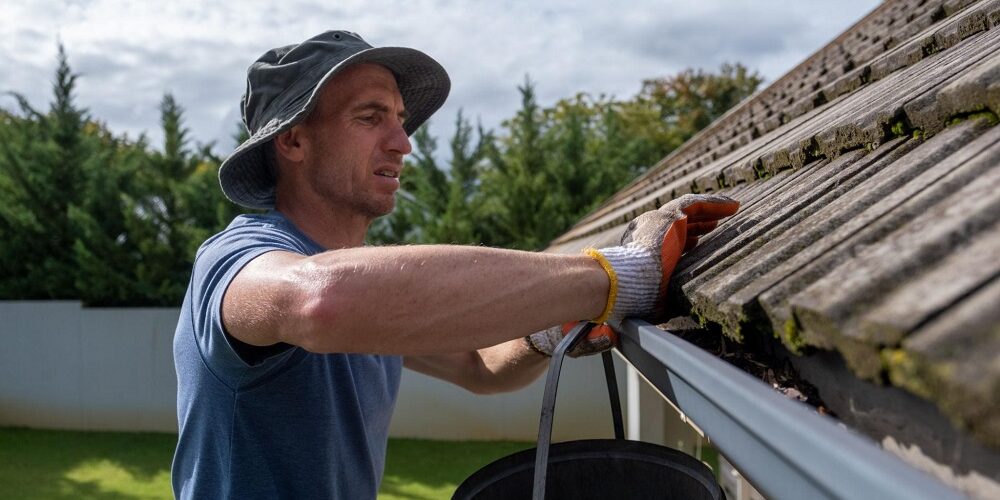
A well-maintained roof protects your home from weather damage, energy loss, and costly structural issues. Regular upkeep not only extends the lifespan of roofing materials but also prevents small problems from becoming expensive repairs. With consistent attention and a practical maintenance routine, homeowners can preserve both safety and property value over time.
This guide explains the most effective roof maintenance practices that help ensure long-term protection.
Inspect the Roof Regularly
Routine inspections help detect early signs of wear before they escalate into major problems. Seasonal checks are especially important after storms or heavy winds.
During inspections, look for:
- Missing or cracked shingles
- Loose flashing around vents and chimneys
- Sagging roof sections
- Water stains in the attic
- Moss or algae buildup
Early detection reduces repair costs and prevents moisture intrusion.
Keep Gutters Clean and Functional
Clogged gutters are one of the leading causes of roof deterioration. When water cannot drain properly, it backs up under shingles and damages the roof structure.
Maintain gutter performance by:
- Removing leaves and debris regularly
- Checking downspouts for blockages
- Ensuring water flows away from the foundation
- Repairing loose gutter brackets
Clean gutters support proper drainage and protect fascia boards from rot.
Remove Moss, Algae, and Debris
Organic growth retains moisture on roofing materials and accelerates deterioration. Leaves and branches also trap water against the surface.
Prevent buildup by:
- Trimming overhanging tree branches
- Clearing debris after storms
- Using roof-safe cleaning treatments when needed
- Avoiding pressure washing that may loosen shingles
Maintaining a clean surface improves both durability and appearance.
Check Flashing Around Roof Openings
Flashing protects vulnerable areas where the roof meets structures such as chimneys, skylights, and vents. Damaged flashing allows water to enter quickly.
Inspect flashing for:
- Rust or corrosion
- Cracks or gaps
- Loose edges
- Sealant failure
Prompt repairs help prevent hidden leaks and interior damage.
Replace Damaged or Missing Shingles Quickly
Shingles form the outer protective layer of your roof. Even one missing shingle can expose the underlying structure to moisture.
Watch for warning signs such as:
- Curling edges
- Granule loss
- Discoloration patches
- Visible cracks
Replacing damaged shingles promptly preserves the integrity of the entire roofing system.
Maintain Proper Attic Ventilation
Ventilation plays a critical role in roof longevity. Without adequate airflow, heat and moisture accumulate in the attic and weaken roofing materials from underneath.
Benefits of proper ventilation include:
- Reduced risk of mold growth
- Lower indoor temperature during summer
- Prevention of ice dams in winter
- Extended lifespan of shingles
Balanced intake and exhaust airflow keeps the roof structure stable year-round.
Trim Nearby Trees to Prevent Damage
Overhanging branches pose a risk during storms and strong winds. They can scrape roofing materials or fall directly onto the roof surface.
Regular trimming helps:
- Prevent shingle abrasion
- Reduce debris accumulation
- Limit moss formation
- Protect gutters from clogging
Maintaining safe tree clearance reduces maintenance frequency.
Schedule Professional Roof Inspections Annually
Even careful homeowners may overlook hidden structural issues. Professional inspections identify concerns that are not visible from ground level.
Experts typically check:
- Structural integrity
- Drainage performance
- Flashing condition
- Sealant durability
- Early leak indicators
Annual evaluations help maintain long-term roof performance and safety.
Address Minor Repairs Immediately
Delaying small repairs often leads to larger structural problems. A proactive maintenance approach prevents costly replacements later.
Common quick fixes include:
- Sealing minor leaks
- Tightening loose fasteners
- Replacing cracked shingles
- Reinforcing flashing joints
Prompt action keeps maintenance manageable and affordable.
Monitor Interior Warning Signs of Roof Problems
Sometimes roof damage appears inside the home before it becomes visible outside.
Watch for:
- Ceiling discoloration
- Peeling paint near roof edges
- Damp attic insulation
- Musty odors
Interior signals often indicate early-stage leaks that require immediate attention.
Protect the Roof During Extreme Weather Conditions
Severe weather places additional stress on roofing materials. Preparing ahead of seasonal changes strengthens protection.
Helpful precautions include:
- Inspecting shingles before storm seasons
- Securing loose components
- Cleaning drainage systems
- Checking attic insulation
Prepared roofs resist damage more effectively during harsh conditions.
Frequently Asked Questions
How often should a roof be inspected?
Most roofs should be inspected twice per year, ideally during spring and autumn, along with additional checks after severe storms.
Can clogged gutters really damage a roof?
Yes. Blocked gutters cause water to pool along roof edges, leading to rot, leaks, and deterioration of structural components.
What is the average lifespan of residential roofing materials?
Asphalt shingles typically last between 20 and 30 years, while metal and tile roofing can last significantly longer with proper maintenance.
Is moss growth on a roof dangerous?
Moss traps moisture against roofing materials, which accelerates decay and increases the risk of leaks over time.
Should homeowners walk on their roofs during inspections?
Walking on a roof can damage shingles and increase safety risks. Visual checks from the ground or ladder edges are safer unless professional assistance is available.
How can attic ventilation affect roof durability?
Poor ventilation allows heat and moisture to accumulate, weakening roofing materials and increasing the likelihood of mold and structural damage.
When is the best time to perform roof maintenance?
Moderate weather seasons such as spring and autumn are ideal for inspections and maintenance tasks because roofing materials are easier to assess and repair.

